

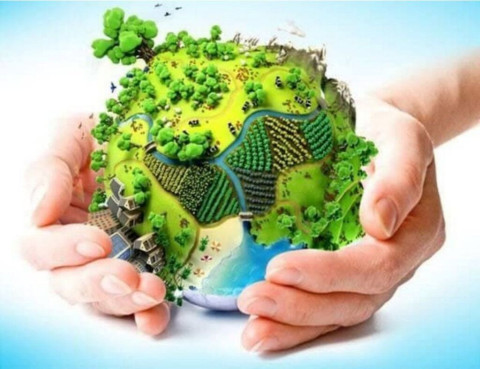
Afghanistan’s environment is closely connected to its economy, agriculture, public health, and social development. The country’s geographical diversity includes mountains, valleys, deserts, forests, rivers, and agricultural lands. However, environmental pressures have increased due to climate variability, water scarcity, deforestation, land degradation, population pressures, and limited environmental infrastructure.
Water scarcity is one of the most important environmental challenges. Many communities depend directly on rivers, groundwater, and seasonal precipitation for agriculture and daily life. Changes in rainfall patterns, prolonged droughts, declining water availability, and inefficient water management can affect agricultural production and increase pressure on communities. Improving water management, irrigation systems, rainwater collection, and conservation practices can help reduce these pressures.
Climate change also represents a significant long-term challenge. Afghanistan is vulnerable to droughts, floods, extreme temperatures, and other climate-related hazards. These events can damage agricultural land, infrastructure, livestock, and livelihoods. Strengthening early-warning systems, disaster preparedness, climate-resilient infrastructure, and sustainable agricultural practices can reduce vulnerability.
Deforestation and land degradation are additional concerns. The loss of vegetation can contribute to soil erosion, reduced biodiversity, declining agricultural productivity, and increased vulnerability to floods and droughts. Sustainable forest management, reforestation, protection of natural habitats, and community participation can contribute to environmental restoration.
Urban environmental problems are also becoming increasingly important. Population growth and urban expansion can increase pressure on waste management systems, air quality, water resources, and public infrastructure. Inadequate waste disposal can contaminate land and water and create health risks. Improving waste collection, recycling, wastewater management, and environmental awareness can improve urban living conditions.
Biodiversity is another important environmental resource. Afghanistan contains diverse ecosystems and wildlife habitats, but natural ecosystems can be affected by habitat destruction, illegal hunting, resource pressures, and climate-related changes. Protecting ecosystems and promoting sustainable use of natural resources can support both environmental conservation and local livelihoods.
Environmental protection also has an economic dimension. Agriculture, livestock, forestry, water resources, and tourism depend on healthy ecosystems. Environmental degradation can therefore create economic costs by reducing productivity and increasing damage from natural hazards.
In conclusion, Afghanistan’s environmental challenges require coordinated action involving government institutions, local communities, businesses, researchers, and international partners. Sustainable water management, climate adaptation, forest protection, land restoration, waste management, and environmental education are important components of a long-term environmental strategy. Protecting natural resources can contribute not only to environmental sustainability but also to economic resilience, public health, and social well-being.