

Culture is one of the main factors shaping societies and influencing how people understand identity, values, traditions, communication, and social relationships. In the contemporary world, cultural developments are increasingly influenced by globalization, migration, digital technology, social media, international communication, and economic change. These processes have created new opportunities for cultural exchange while also raising questions about cultural identity and preservation.
Globalization has increased interaction among societies. People can access music, films, literature, food, fashion, languages, and ideas from different parts of the world more easily than in the past. This cultural exchange can promote mutual understanding and introduce societies to different perspectives. At the same time, the widespread circulation of global cultural products can place pressure on local traditions and cultural industries, particularly where local institutions have limited resources.
Digital technology has transformed the way culture is produced and shared. Social media platforms allow individuals and communities to communicate across geographical boundaries and create their own cultural content. Young people in particular participate actively in global digital culture. However, digital communication can also contribute to the rapid spread of misinformation, stereotypes, cultural misunderstandings, and simplified representations of complex societies.
Migration is another major factor influencing global culture. Migrants often maintain connections with their original cultures while adapting to new social environments. This can lead to multicultural communities in which languages, traditions, religions, food, and forms of artistic expression interact. However, migration can also create challenges related to social integration, cultural adaptation, discrimination, and maintaining cultural identity across generations.
Language represents another important cultural issue. Thousands of languages are spoken around the world, but many face declining numbers of speakers. Language preservation is closely connected to cultural heritage because languages carry historical knowledge, traditions, literature, and collective memory. Digital tools, education, cultural documentation, and community initiatives can contribute to the preservation of linguistic diversity.
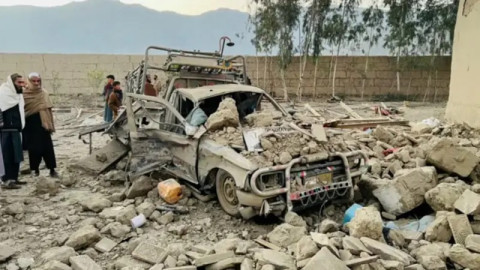
Cultural heritage is also affected by conflict, environmental changes, urbanization, and economic pressures. Historical buildings, archaeological sites, traditional crafts, music, and oral traditions can be damaged or lost. Protecting cultural heritage requires cooperation between communities, governments, researchers, and international organizations.
Another important global cultural trend is the growing interaction between traditional and modern lifestyles. Technological development and urbanization are changing patterns of family life, work, entertainment, communication, and social relationships. These changes do not necessarily eliminate traditional culture; in many cases, societies adapt traditions to new circumstances.
In conclusion, global cultural change is a complex process involving both opportunities and challenges. Cultural exchange can promote understanding and creativity, while globalization and technological change can create pressure on local identities and traditions. A balanced approach requires respect for cultural diversity, protection of heritage, responsible use of digital technologies, and opportunities for different communities to participate in global cultural dialogue.