

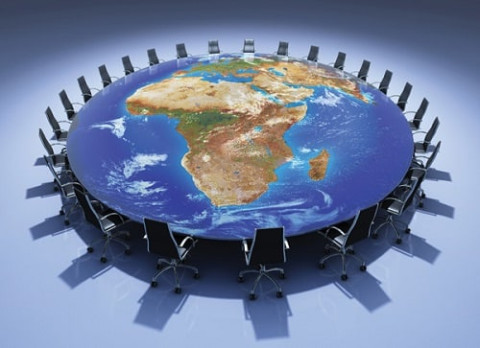
Afghanistan occupies an important geopolitical position in Central and South Asia and has historically been influenced by interactions among neighboring countries, regional powers, and the wider international community. Its landlocked geography, security conditions, economic needs, and strategic location make international relations an important factor in the country’s political and economic development.
Relations with neighboring countries are among the most important dimensions of Afghanistan’s foreign relations. Afghanistan shares borders with Pakistan, Iran, Turkmenistan, Uzbekistan, Tajikistan, and China. These relationships involve a wide range of issues, including trade, transportation, border management, migration, water resources, security, and political cooperation. Developments in any of these areas can have direct consequences for Afghanistan’s domestic environment.
Regional cooperation is particularly important because Afghanistan is geographically positioned between Central and South Asia. Transport and trade corridors connecting these regions can provide opportunities for Afghanistan to strengthen its role as a transit country. Infrastructure projects, energy cooperation, and regional trade mechanisms can potentially contribute to economic connectivity and create new opportunities for investment and employment.
Security remains another central dimension of Afghanistan’s international relations. Cross-border security concerns, terrorism, organized crime, migration, and border management require cooperation among Afghanistan and neighboring states. Sustainable security arrangements generally depend on communication, diplomatic engagement, and mechanisms for addressing disagreements without escalating tensions.
Afghanistan’s relations with major international actors are also significant. International organizations and donor countries have an important role in humanitarian assistance, development programs, education, healthcare, and economic support. At the same time, Afghanistan’s international engagement is influenced by questions concerning diplomatic relations, international expectations, and the country’s internal political and social conditions.
Economic diplomacy represents another important area. Afghanistan needs access to regional and international markets, investment, financial channels, technology, and trade opportunities. Strengthening economic diplomacy can help connect domestic production with external markets and diversify the country’s economic relationships.
Water and environmental issues may also become increasingly important in regional relations. Afghanistan’s transboundary rivers and water resources create shared interests with neighboring countries. Effective management of water resources requires technical cooperation, dialogue, and agreements that consider the interests of relevant states.
In conclusion, Afghanistan’s international relations are shaped by geography, security, economic interests, regional connectivity, and relations with the international community. A balanced foreign policy requires maintaining constructive relations with neighboring countries while developing broader economic and diplomatic partnerships. Afghanistan’s long-term international position will depend on its ability to use its geographical location, economic potential, and diplomatic engagement to promote cooperation and reduce sources of regional tension.